Loveless…
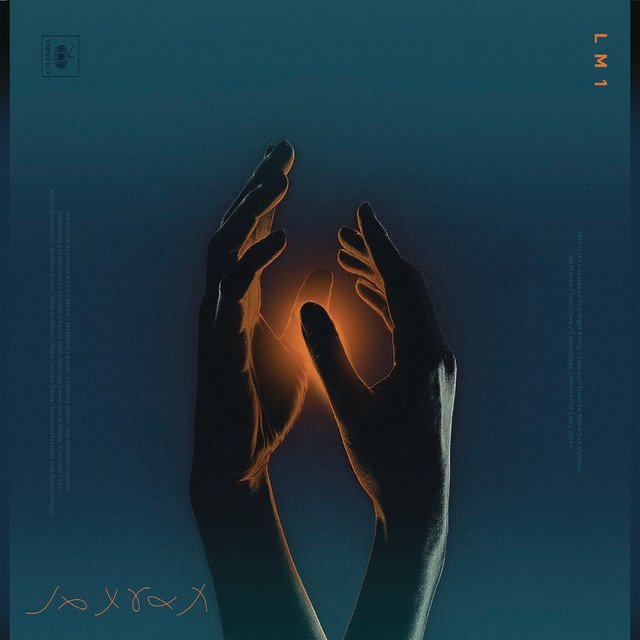
The cover art of Lo Moon's self-titled debut album
Loveless is the first single from Lo Moon’s 2016 self-titled debut album. Lo Moon is an American rock band from Los Angeles, California. The group was founded by lead singer, Matt Lowell. He began writing music for a musical effort of his own years before starting Lo Moon. The first song he wrote was Loveless, a seven-minute-long ballad about struggling relationships and the fear of being vulnerable when your partner won’t. The song’s lyrics repeatedly ask the questions, “Would you take the chance on us? Could you take the chance on us?” The song also meditates on the idea of personal accountability within a relationship with lyrics such as “Battled myself so many times” and “What I was isn’t what I want now.” Loveless didn’t chart on any of the major charts, but the breakout single put Lo Moon on the map in the underground rock and alternative circles.
Why this song is important to me…
Loveless reminds me of a very specific time in my life. I had just rediscovered fanfiction in the fall of 2020. I was writing again and my passion and creative juices had never been stronger. I discovered Lo Moon two whole years after their debut album came out. Loveless had been and continues to be a regular listen for me. In the fall of 2020, specifically in November of that year, Loveless became the unofficial soundtrack to a story I was writing, a creative muse that sort of encapsulated everything this story was trying to be. That story ended up being a three-year, 36-chapter, 100,000-word effort, the longest thing I’ve ever written. That story proved I could write long stories, that I could stay committed to one project until it was finished. In that regard, Loveless reminds me of one of the most important times in my life. It can be argued that I stopped being a writer and became an author instead. Loveless will remain a song I cherish, because of those fond memories.
Matthew James…
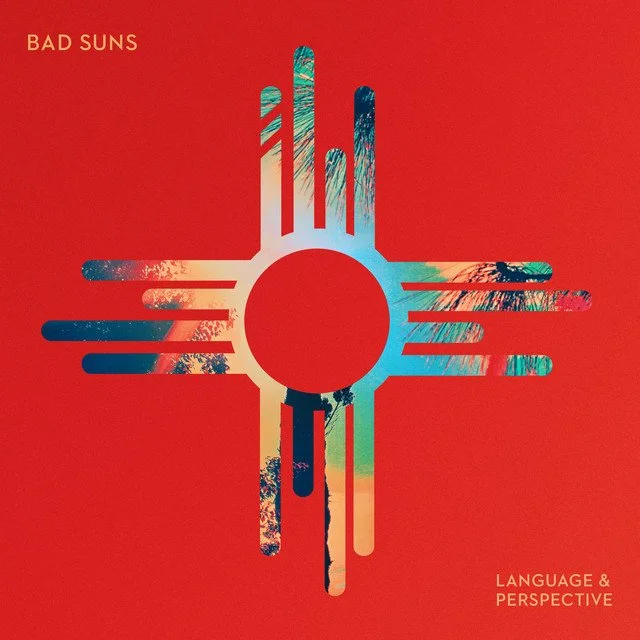
The cover art for Bad Suns’ 2014 debut album Language & Perspective
Matthew James is the first track of California-based alternative rock band Bad Suns, from their 2014 debut album, Language & Perspective. The song is an upbeat exploration for the search for meaning in life and the desire to shed stale routines in search for the joys of life. the song started life without a title, getting the name Matthew James as a placeholder while still a demo in 2013. Matthew James was a neighbor of the song’s writer and lead singer, Christo Bowman. The name stuck as the Demo was being shown around, with many liking the title’s unique feel.
Why this song is important to me…
The entirety of Language & Perspective is one of those albums that you buy because it sounded good on iTunes, then forget about for three years. For me, I first heard Bad Suns on Conan O’Brien’s iteration of The Tonight Show, on NBC in 2014. The band performed their song Cardiac Arrest, which I shazamed. I looked the album up on iTunes, listened to the audio sample, and bought the whole album. I then proceeded to listen to exactly none of the album for at least three years. The only reason I can attribute to the fact that I neglected this amazing album, is stupidity. For some reason, I had this weird impression that the music wasn’t good, even though I hadn’t actually listened to the album. Then, one day in 2018 another song from the album, Transpose, came up on shuffle. The song was amazing, so I listened to the entire album.
A part of me could say that Matthew James is my favorite song on the album, but that would be a lie. In truth, I love every single song on this album equally. I’ve listened to the entire album at least ten times, though some individual tracks have been played dozens of times. Each and every song, from We Move Like the Ocean, to Dancing On Quicksand, Salt,Transpose, Cardiac Arrest, and especially Matthew James, are all songs that I could and have listened to no matter my mood at the time. The entire album is one of my top five all-time favorite albums, and I chose Matthew James as the song to represent this amazing album. Check out Language & Perspective by Bad Suns, it’s just that good. Matthew James is perfect evidence of the greatness of this album!
The Emptiness Machine…

The cover art from Linkin Park’s eight studio album, 2025’s From Zero
The Emptiness Machine is the lead single from American rock group Linkin Park’s eight studio album, 2025’s From Zero. The single was the first new music released by Linkin Park following their 2017 hiatus after the suicide of legendary lead single Chester Bennington. Linkin Park found themselves in need of both a new lead single to fill the hole left by Chester Bennington, and a new drum to replace Rob Bourdon, another founding member who walked away following Chester’s suicide. Emily Armstrong joined Linkin Park as their new lead singer when the band announced their comeback. Armstrong is the former lead singer and co-founder of the rock group Dead Sara; whom she left to join Linkin Park.
The Emptiness Machine speaks generally of the painful cycle of sacrificing one’s inner-self in a fruitless attempt to seek external validation. The song’s lyrics, co-written by the members of the band, are intentionally vague, so as to encompass a large variety of emotive notions, all speaking of th self-destructive desire for validation from those that give nothing back. The song instantly had an impact in the American rock music scene, vaulting Linkin Park back into the center of the rock scene, where they lived for so many years. The Emptiness Machine charted at number one in Austria, Belgium, the Czech Republic, Germany, Latvia, Luxembourg, Portugal, and Switzerland as well as the top 20 in Brazil, Canada, Croatia, Finland, France, Greece, India, Ireland, Lithuania, Malaysia, Mexico, Morocco, New Zealand, Norway, Poland, Sweden, the United Kingdom. In the United States, the song reached 21 in the US Billboard Hot 100, number 3 in the US Hot Rock & Alternative Songs (Billboard), and number 1 in the US Rock & Alternative Airplay (Billboard).
Why this song is important to me…
Linkin Park is one of those bands that everyone my age listened to while growing up. I remember listening to Numb in elementary school, followed by What I’ve Done, and New Divide in middle school. In high school it was The Catalyst and Burn it Down that I found regularly playing on my iPod. Linkin Park is one of those bands that shaped my tastes in rock music. It goes without saying that the tragic suicide of Chester Bennington was a massive lost to rock fans such as myself. The loss of Linkin Park in a manner of speaking was… sad, to say the least. When The Emptiness Machine released, it felt like reconnecting with a long-lost friend, or a loved one that had been away for many years. Since then, the entirety of From Zero has been a regular play of mine when listening to rock music. Even still, The Emptiness Machine will always remind me of the feeling of learning that Linkin Park was back. Joy and relief…
You’ve Lost That Lovin’ Feeling…

The cover art for the Righteous Brothers’ 1965 album, You’ve Lost That Lovin’ Feeling
You’ve Lost That Lovin’ Feeling is the lone single and title track from the 1965 album of the same name, from legendary recording duo, The Righteous Brothers. The song was written by legendary producer Phil Spector, along with Barry Mann and Cynthia Weil. The song itself is a legendary song, famous the world over for its soulful vocals and iconic Phil Spector Wall of Sound styling. Spector, Mann, and Weil wrote the song in 1964, recording it with The Righteous Brothers on September 26th, 1964 at Gold Star Studios in Hollywood, California. The Wall of Sound was a technique where the entire musical element, minus the vocals, was recorded in a large 30x40 recording studio with as many as twenty-five or thirty musicians playing at once. This muddled, bleeding sound would then be picked up by microphones and played on loud speakers in a concrete echo chamber at very loud volumes. The resulting echoing sound was then recorded by a microphone in the echo chamber, resulting in the final wall of sound style that Phil Spector was famous for. The Righteous Brothers were actually the first white group that Spector has worked with after focusing his work on black artists and groups to that point.
The song released to critical acclaim, it went to number 1 in both the US Billboard Hot 100 and US Cash Box Top 100 charts. The song hit number 1 in the United Kingdom and Canada as well. The song has gone on to be covered by such legends as Dionne Warwick, Hall and Oates, & Roberta Flack and Donny Hathaway. The song was listed as the most played song on the radio in 1997 when taking into account all of the versions released over the years. You’ve Lost That Lovin’ Feeling also appeared in the famous film Top Gun, acting as the end credits song at the end of the movie. This may be one of the song’s most famous moments as it plays out the iconic American war film starring Tom Cruise.
Why this song is important to me…
This is one of those songs that is just… perfect. It’s truly one of those songs that’s an earworm. I was watching Top Gun over the weekend and I just remembered how much I love You’ve Lost That Lovin’ Feeling. The ending of Top Gun is positively iconic and it just stuck with me. Phil Spector’s catalogue of songs is truly something to behold and I implore everyone to look up all of the hit songs he produced during his career.
Tear You Apart…

The album cover art for She Wants Revenge's 2006 self-titled debut album
Tear You Apart is the second single from the 2006 self-titled album She Wants Revenge, by the San Fernando Valley based rock group of the same name. She Wants Revenge consists of singer and guitarist Justin Warfield, and multi-instrumentalist Adam Bravin. Warfield was originally a rapper, who’s 1991 single Season of the Vic reached #8 on the charts. Bravin was a DJ going by DJ Adam 12. The two of them formed She Wants Revenge in 2004, before getting discovered by Limp Bizkit frontman Fred Durst and then signed to Durst’s label Flawless Records in 2005. She Wants Revenge has released three studio albums, 2006’s She Wants Revenge, 2007’s This is Forever, and 2011’s Valleyheart.
Tear You Apart is easily She Wants Revenge’s most famous song, being certified platinum and reaching #6 on the US Alternative charts. The song features an up-tempo drum beat and driving bassline that maintains a frenetic pace through Warfield’s slightly monotone vocals. The effect is slightly unsettling, which perfectly complements the lyrics. Tear You Apart is a song about obsession, a song about an innocent crush becoming something darker. The lyrics talk of an aggressive desire that is both overwhelming and caustic at the same time. Tear You Apart has featured in many movies and television shows, including One Tree Hill, American Horror Story, and the movie The Number 23.
Why this song is important to me…
This is one of those songs that just sneaks into your head and refuses to leave. I first discovered She Wants Revenge years ago with another song. I don’t remember how I discovered Tear You Apart, but it’s one of those songs that I just love listening to when I’m wanting something edgier. A part of it is the very real meaning behind the lyrics. We’ve all had crushes before, but it’s the really dark ones that this song speaks about. It’s one of those things where I remember thoughts far tamer than the lyrics of this song, going through my head in middle school, back when everything felt like it was the most important thing ever. With age has come perspective and perspective has shown how caustic and unhelpful such things are. Either way, I really enjoy this song.
Extreme Ways…
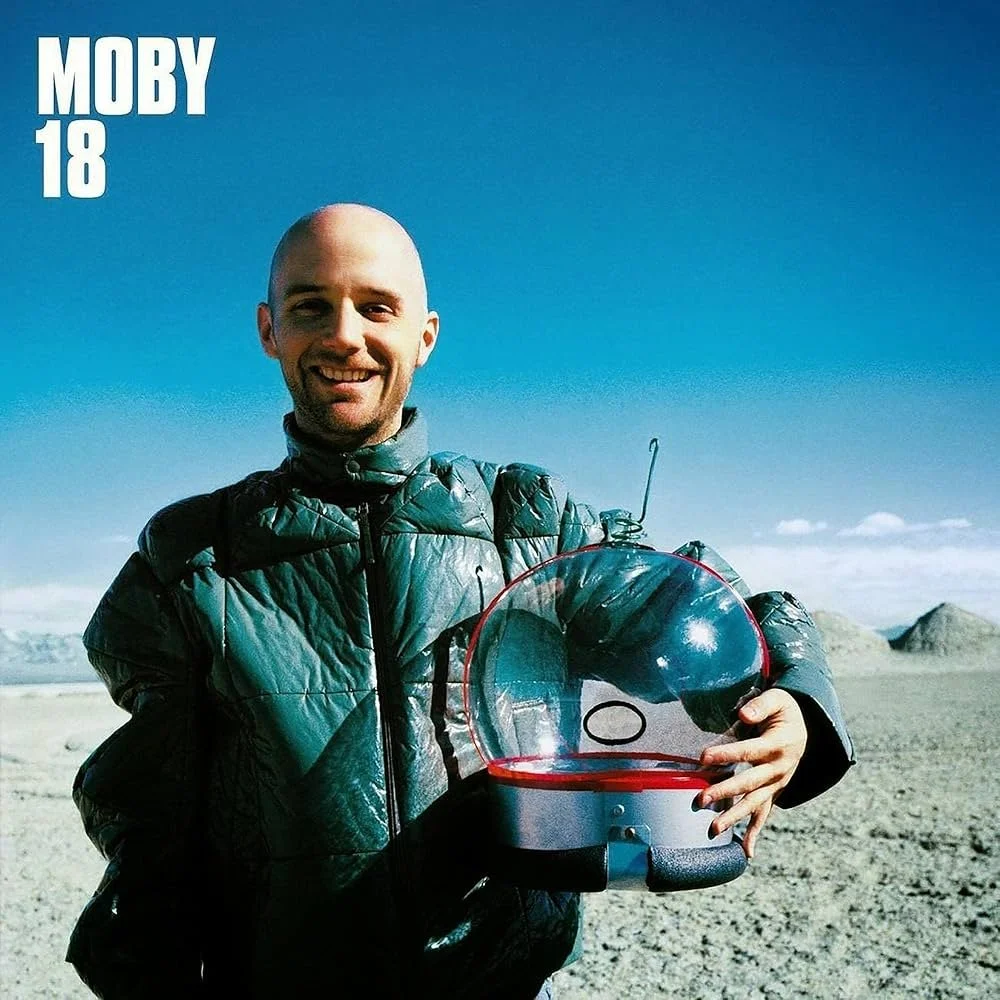
The cover art for Moby’s 2002 album 18
Extreme Ways is a song known more for the movies it’s featured in, than for its chart success. American Electronic artist Moby composed and recorded the song for his sixth studio album, 2002’s 18. The song’s lyrics speak of the destructive allure of a chaotic life. According to Moby himself, the song “is a reflection on debauchery and excess–how dangerous lifestyles feel seductive and adventurous in the moment, but ultimately lead to emptiness when things inevitably fall apart.” The song is most famous for appearing in all five of the Jason Bourne films. The original version of the son appeared in 2002’s The Bourne Identity, then again in 2004’s The Bourne Supremacy. Moby created a new version of Extreme Ways for 2007’s The Bourne Ultimatum, then again for 2012’s The Bourne Legacy, and again after that for 2016’s Jason Bourne. Extreme Ways has become an anthem for the modern American spy genre of movies, arguably becoming the anthem of the character that forced James Bond to get a little more serious with 2006’s Casino Royale and 2009’s Quantum of Solace.
Why this song is important to me…
I absolutely love this song. I’ve been listening to it regularly since I first heard it at the end of the Bourne Ultimatum. This song has been a regular listen for my writing efforts for years and has often been an inspiration when writing somewhat ambiguous or unresolved endings. That’s likely because the song was in the Bourne films, but I digress. Either way, this song is one of those moody, easy listens that really gets my creative juices flowing.
The Thrill Is Gone…
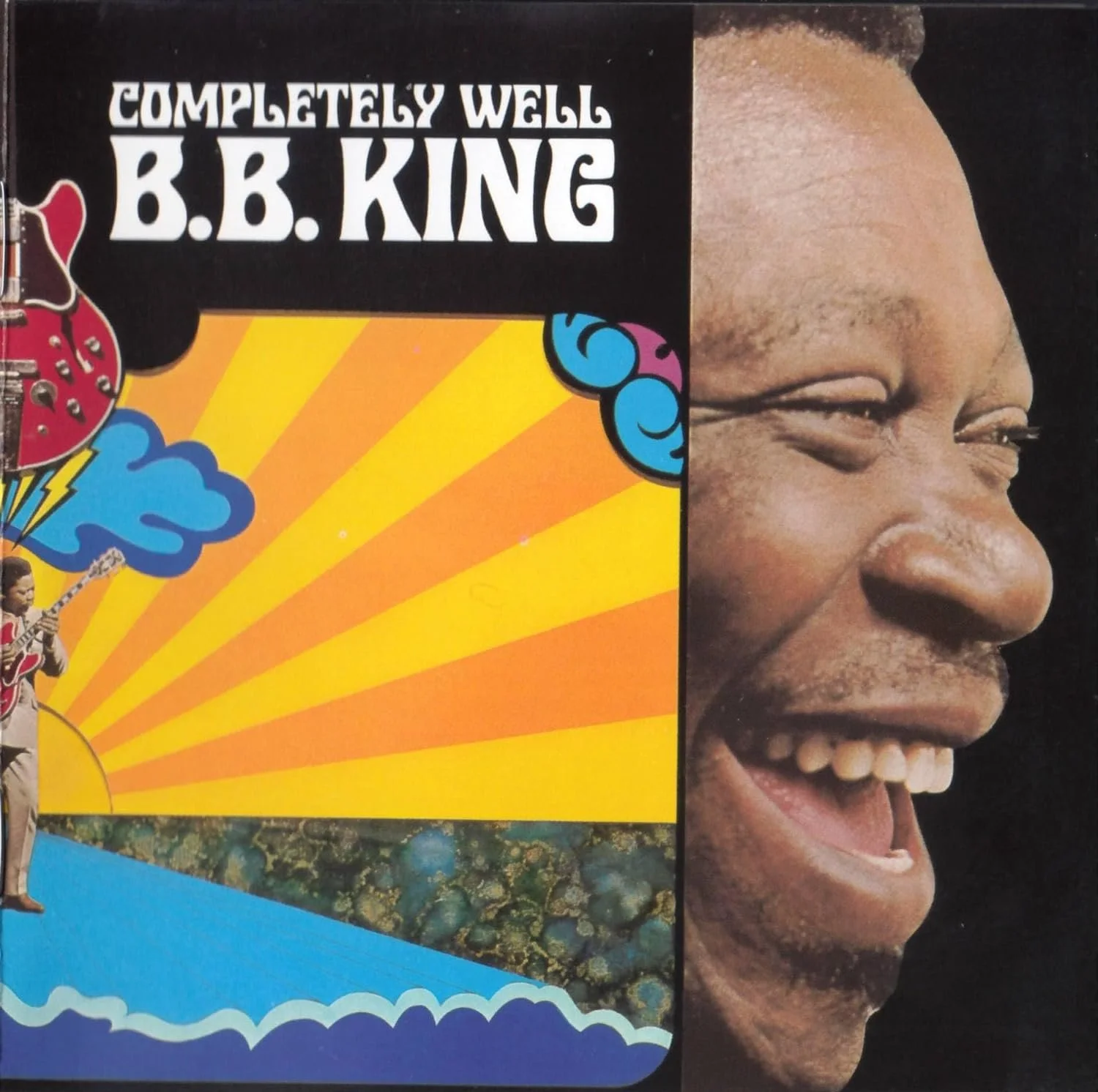
The album cover art for B.B. King's 1969 album Completely Well
The Thrill is Gone is a legendary blues song, first released in 1951, before gaining widespread popularity in 1969. The song was originally written by blues musician Roy Hawkins and Rick Darnell in 1951. Hawkins’ original version reached number six in the Billboard R&B Chart in 1951. It wasn’t until 1969, when legendary blues musician B.B. King recorded his own interpretation of the song for his album Completely Well, that the song received acclaim. B.B. King’s version of the song earned him a Grammy Award for Best Male R&B Vocal Performance in 1970, as well as a Grammy Hall of Fame award in 1988. The song was ranked one-hundred and eighty-third on Rolling Stone Magazine’s 500 Greatest Songs of All Time.
Why this song is important to me…
I recently got into blues music, when I was recommended a YouTube video of a live performance of B.B. King playing this song at the 2010 Crossroads Festival with Eric Clapton. The performance was… incredible, and it has led me on a journey of discovery where blues music is concerned. My exposure to blues is still very limited, but I’m thoroughly enjoying it so far.
Wake Up…
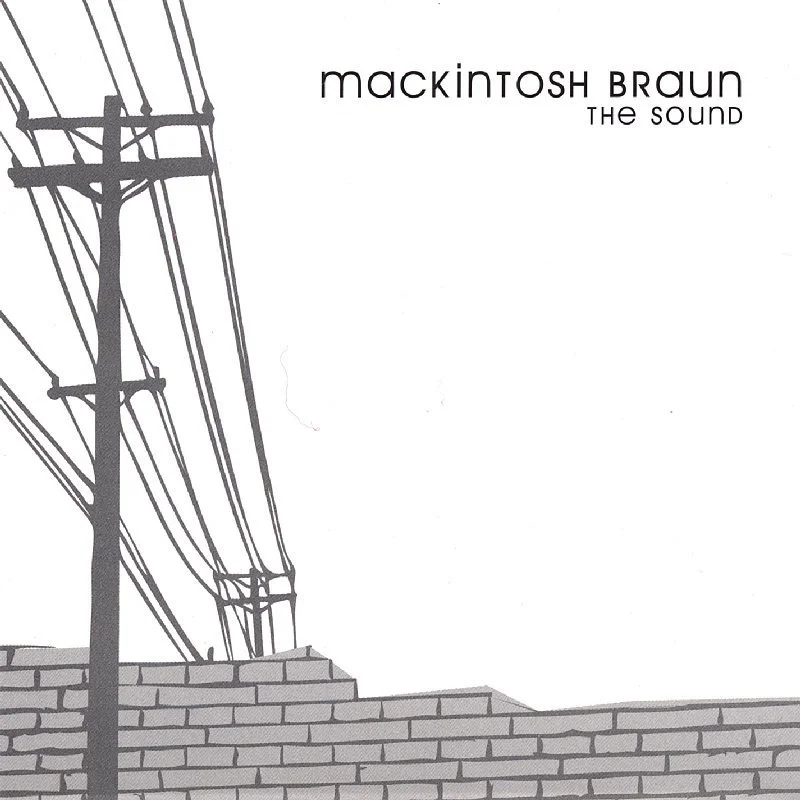
The cover art for 2007’s The Sound
Wake Up is a song by the Portland, Oregon based electropop duo known as Mackintosh Braun. Ian Mackintosh and Ben Braun formed the group in 2006 ahead of their self-published debut album, 2007’s The Sound. Wake Up is the ninth song on The Sound, and arguably the song that gave them their first big break. The song first appeared in Season 2, Episode 15, Chuck Versus the Beefcake. The song appeared a second time in Season 3, Episode 5, Chuck Versus First Class. The song speaks of the end of a relationship and needing to wake up and see the truth that the relationship is beyond reconciliation.
Why this song is important to me…
As should be obvious by now, I’m a huge Chuck fan. So, this song had been a regular listen of mine ever since I first heard it on the show. The bigger reason why I love this song, other than the fact that it’s great, is because it’s one of the first songs I used to listen to on repeat when I started writing stories all the way back in 2012. In point of fact, in 2013 when my family took a red eye flight to San Diego, California, I stayed up all night on the plane and wrote a fanfic while listening to this song. It could be argued that Wake Up is one of those foundational songs of my entire creative ethos. So, in many respects, Wake Up by Mackintosh Braun is one of the most important songs of my life.
Holding Back the Years…
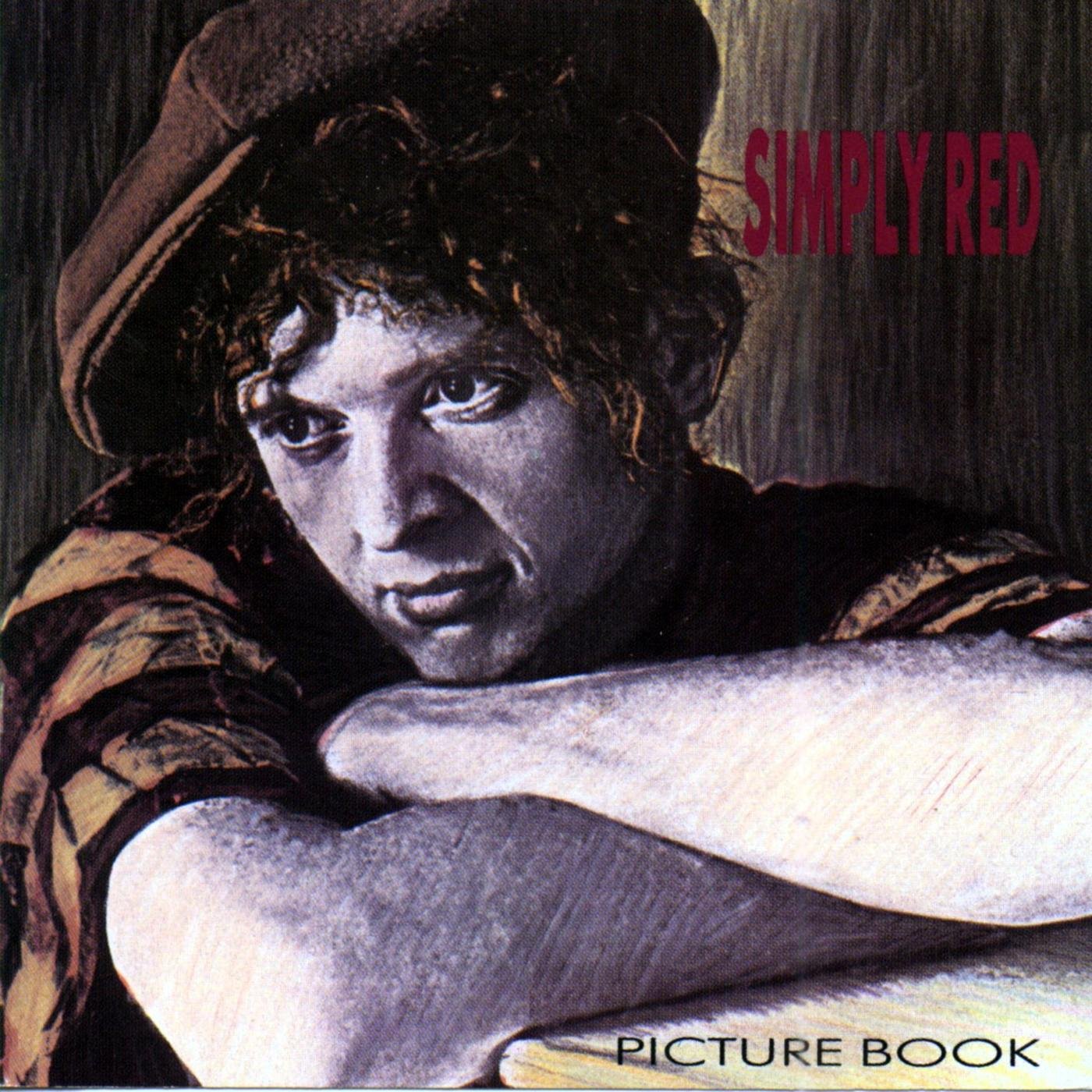
The cover art for Simply Red's 1985 Debut Album, Picture Book
Holding Back the Years is a song by the English soul and pop band Simply Red, from their debut album, 1985’s Picture Book. The song is a soulful ballad about maternal abandonment and broken family. The core elements of the song were written by Simply Red front man Mick Hucknall when he was just seventeen years old. Hucknall’s mother abandoned him as a child, leaving him to live under a strict father. The song’s lyrics borrow heavily from his own experiences: “Strangled by the wishes of pater, hoping for the arms of mater, get to me the sooner or later.” In 1986, the song reached number one on the Billboard Hot 100 and number one in the UK. Holding Back the Years was nominated for Best Performance by a Pop Duo or Group at the 29th Grammy Awards.
Why this song is important to me…
I first heard this song on the radio, to be honest. I didn’t think much of it at first, since I was in the car. Either way, I looked it up later that same day and gave it another listen. On that second listening, the song just blossomed in my mind. The lyrics, the composition, the emotion of the song, it all became so clear in that moment. Since then, it’s been a regular fixture in my top five favorite songs.
No One’s Gonna Love You…
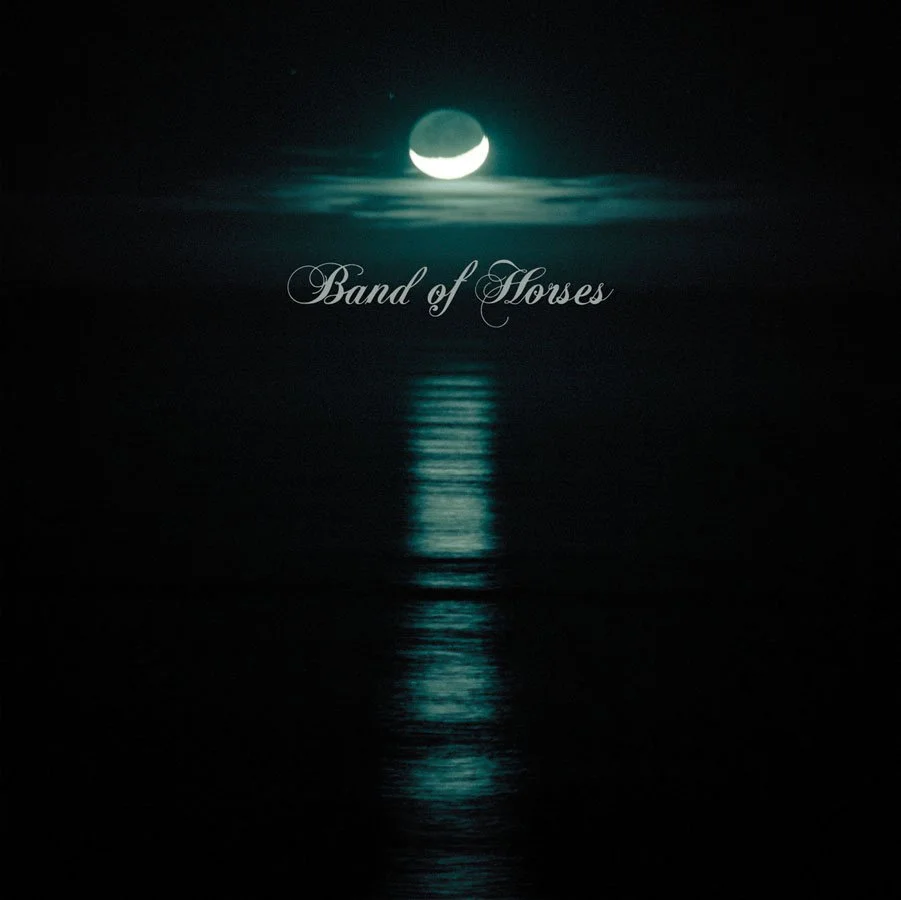
The cover art for Cease to Begin
No One’s Gonna Love You is a song by American rock group Band of Horses, from their second studio album, 2008’s Cease to Begin. The song is a ballad about the loss of a deeply passionate, loving relationship. The song sings of a dying relationship… “We're reeling through an endless fall. We are the ever-living ghost of what once was.” The songs chorus says “But no one is ever gonna love you more than I do.” The song’s impassioned lyrics have landed it in several TV shows, such as One Tree Hill, Numb3rs, and Chuck.
Why this song is important to me…
This song’s appearance in Season 1, Episode 10 of Chuck, is obviously why this song is a favorite of mine. As a moody, overly dramatic teenager, the song really spoke to me. In the fifteen plus years since those heady days, the song has changed from a teenager angst anthem, to a fond memory of a different time in my life. I love the song for it’s sound, since nobody makes songs like it anymore.
Smalltown Boy…
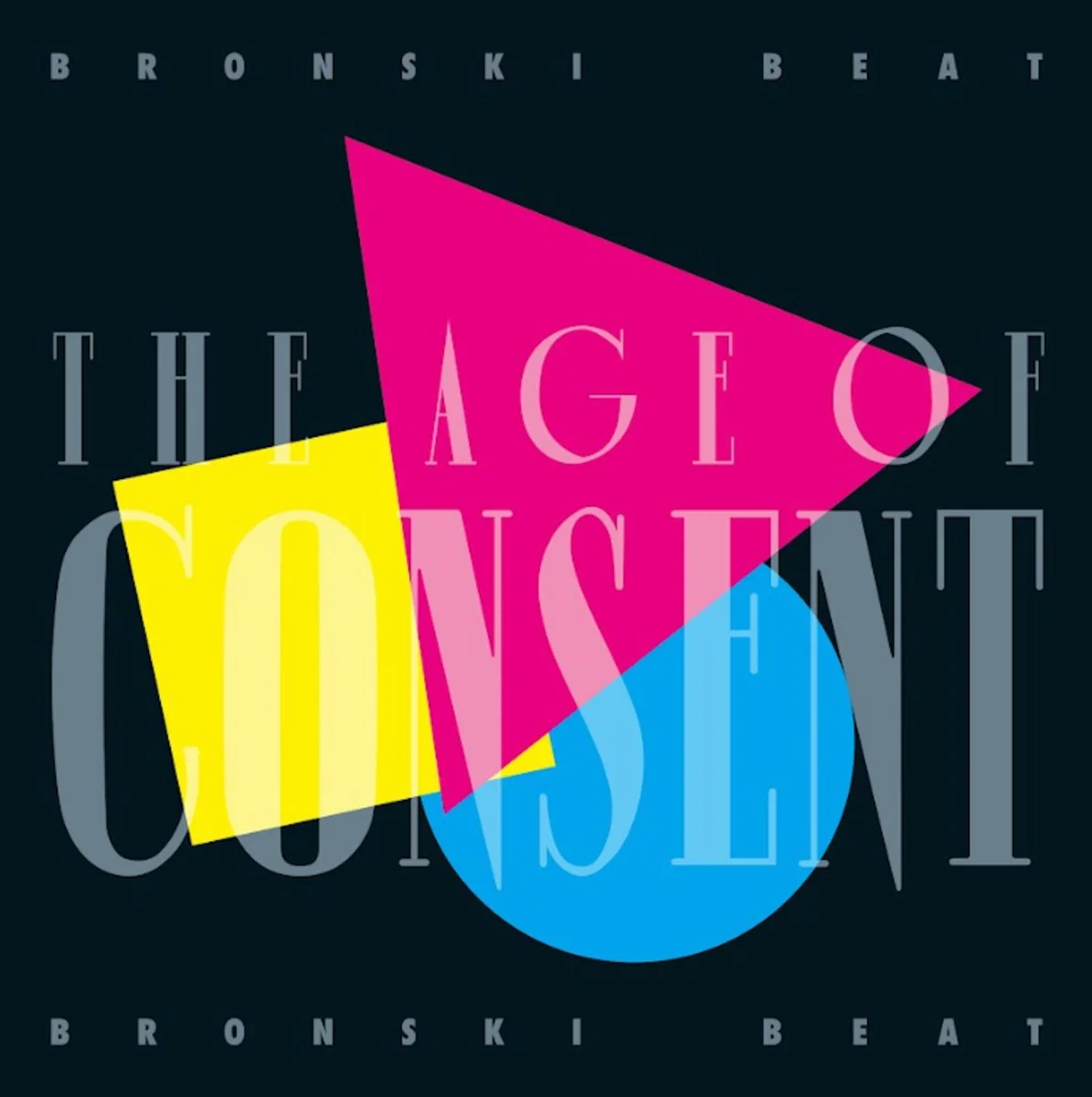
The album of Bronsi Beat’s debut album.
Smalltown Boy is a song by the English pop group Bronski Beat, from their debut 1984 album, The Age of Consent. The song itself is a famous gay anthem, about a young boy fleeing his home in rural England to places elsewhere to escape social and moral persecution from the people he’s grown up with. The song sings of the alienation and loneliness he’s experienced at home “Pushed around and kicked around, always a lonely boy.” The song’s lyrics also touch on the idea that he’ll never get the love and support he needs, at home, so he mustn’t cry. “The answers you seek will never be found at home” “You never cry to them, just to your soul.” Smalltown Boy was a seminal part of the early gay movement in Britain, considering all three members of Bronski Beat, Jimmy Somerville, Steve Bronski, and Larry Steinbachek were openly gay.
Why this song is important to me…
This song has been a regular listen for me for a very long time, if only because it was in the video game Grand Theft Auto V, on the Nonstop Pop FM radio station. I’ve spent thousands of hours in the game over the years and this song has been on the radio many, many times. The song’s origins as a gay anthem are of little concern or care to me. I just love the song as a brilliant song.
Desire…
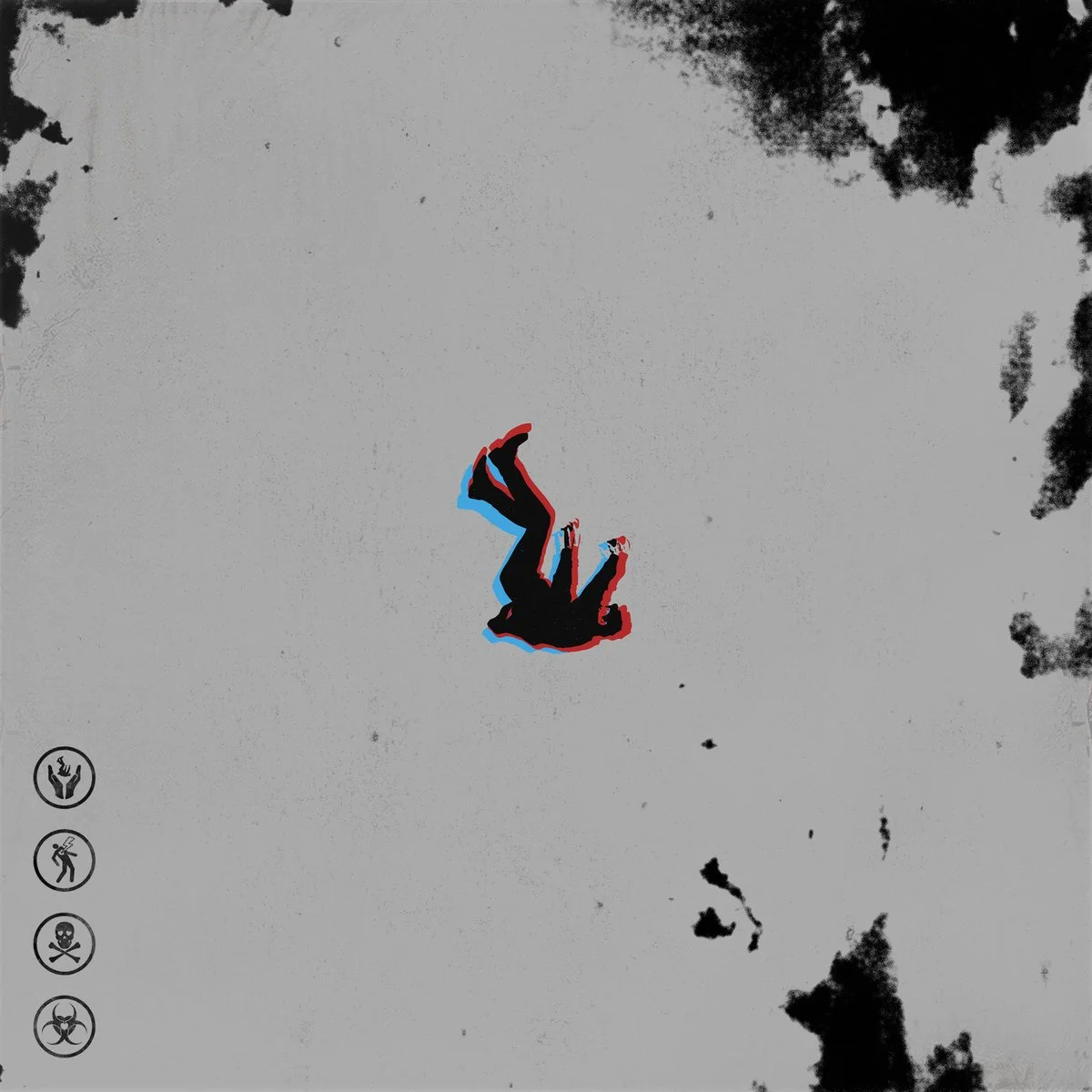
The Icarus themes are clear and obvious in the cover art for the Desire EP.
Desire is a song by the Vancouver-based electronic duo known as Bob Moses, from their 2020 EP Desire. The song itself is a collaboration with electronic musician ZHU. Desire speaks of the poisoning effect social media has had on relationships. The song especially focuses on how social media makes people project the perfectly perfect image of themselves and only look for the shallow details of a person. According to Bob Moses members Jimmy Vallance and Tom Howie, the song was written as a “love tale of the digital age”, taking heavy influence from the Greek Tale of Icarus. The lyrics, such as “I don’t want your desire, I just want to be free” speak to the need to break free from the obsession with social acceptance and find one’s inner self. The song’s driving trance beat and deep house sensibilities mix well with its lyrics, giving the song an intense, seductive quality.
Why this song is important to me…
This song was my anthem during COVID-19, coming out during the pandemic. It’s one of my all-time favorite songs and was heavily influential on the writing I did during the shutdown. I actually rediscovered my love of writing during the shutdown, listening to Desire as I did so. In that way, Desire by Bob Moses can almost be considered the anthem for my literary reawakening. So, it goes without saying that I love the song and hold it near and dear to my heart.
Elephant…
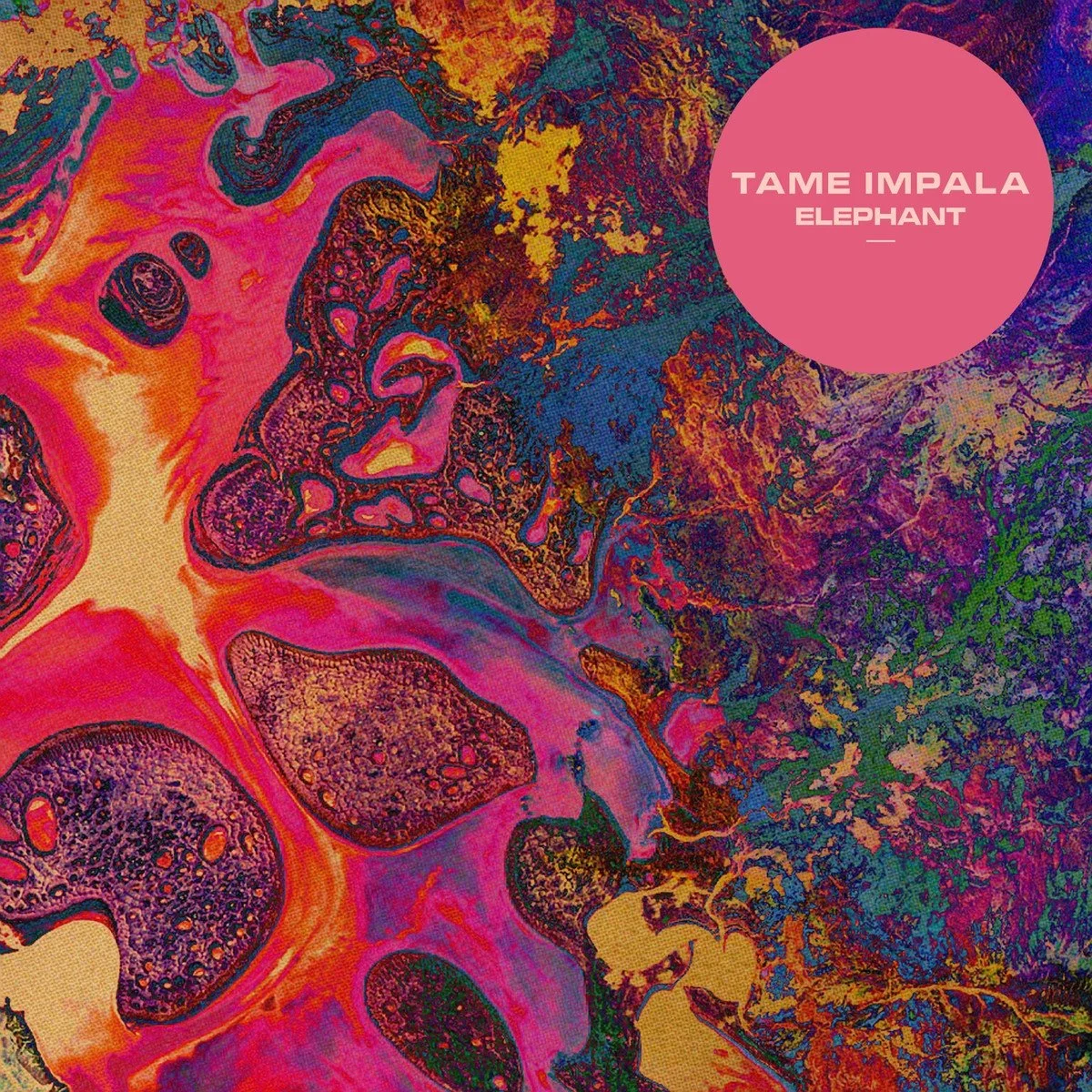
An excellently psychedelic album cover!
Elephant is a song by Tame Impala, the psychedelic musical effort from Australian musician and multi-instrumentalist Kevin Parker. The song appears as the lead single on Tame Impala’s second album, 2012’s Lonerism. The song itself is an older composition from the group, written around the time of their self-titled EP. This means that the song has a bluesier sound than much of the rest of the album, setting it apart. Elephant is a satirical song about a pompous, arrogant, jerk. The pompous jerk is envisioned as an elephant, strutting around, “Shaking his big, grey trunk for the hell of it.” The song received critical acclaim in 2012, with many calling it the alt-rock hit of the year.
Why this song is important to me…
To be honest, there isn’t some deep story behind my love of this song. In point of fact, I just love it to pieces. I’ve listened to the song dozens, if not hundreds of times over the years. It’s been a regular listen of mine since I was in high school.
Freeze & Explode…
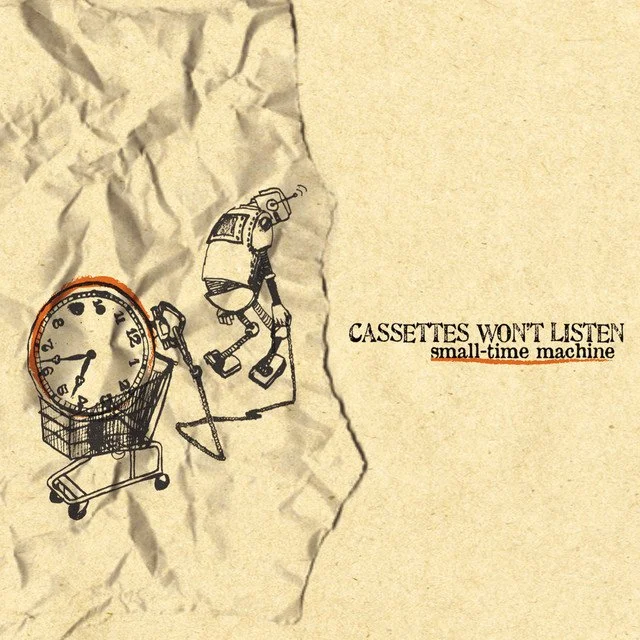
Part of the soundtrack of my life.
Freeze & Explode is a song by Cassettes Won’t Listen, the one-man independent project of producer Jason Drake. The song was included on the 2008 LP “Small-Time Machine.” The song speaks of a painful breakup and the heartbreaking realization that it’s best to just break up instead of slowly, prolonging the end of a long, intimate, loving relationship. The song speaks of the loss of said relationship and the mourning of the person you used to be when in that relationship. The song itself is most famous for appearing in Chuck Season 2 Episode 13 “Chuck Versus the Suburbs.”
Why this song is important to me…
It goes without saying that Chuck is my favorite TV show of all time. The episode this song came from is arguably one of the best episodes of the show, not to mention a favorite of mine. The show and the song both did much to shape my creative and narrative style. This song in particular has been a song I’ve played on repeat for over fifteen years at this point. The song has been on in the background many nights while I was up late, writing and honing my craft. In that regard, this song can be argued to be part of the soundtrack of my life.
Spectre…
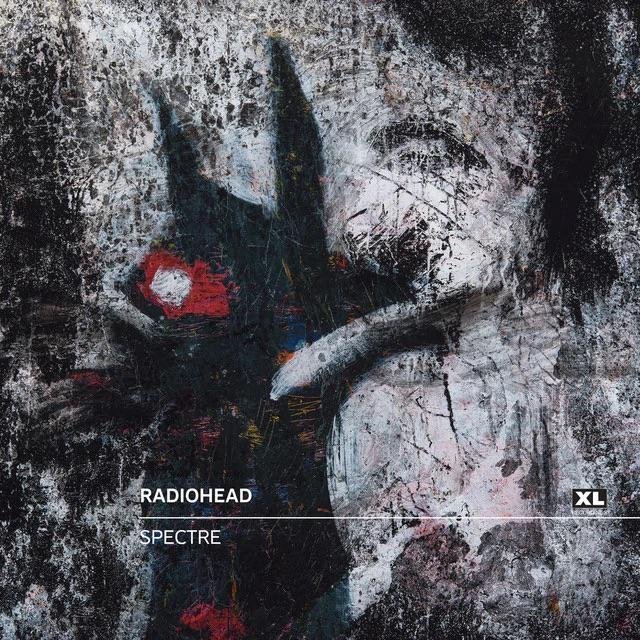
Maybe the best Bond song never to be used.
Spectre was a song written and recorded by the English band Radiohead, intended for the 2015 film, Spectre. Ion Productions initially approached Radiohead about recording a song for the twenty-fourth installment in early 2015. Radiohead initially submitted their unreleased song “Man of War” to be the title track, which Director Sam Mendes loved, but Man of War was rejected because it wasn’t written for the movie and therefore wasn’t eligible for the academy awards. Radiolead lead singer Thom Yorke claims that Man of War was written in the 1990’s as a tribute to James Bond theme songs. Radiohead suspended work on their album, 2016’s “A Moon Shaped Pool” and recorded a brand-new song. The new song, “Spectre” was a very different, much darker song. The song itself speaks of isolation and dispossession, the feeling of being alienated from one’s own self, and mortality. In the end, Ion Productions decided not to use Spectre, instead opting for the much poppier Writing on the Wall, by Sam Smith. While officially, the song was rejected because it apparently came too late to make it into the movie, many believe it was rejected for being “too dark.” Radiohead released the song for free on SoundCloud on December 25th, 2015 and then as a B-Side for their single “Burn the Witch”.
Why this song is important to me…
I love this song and sincerely wish it had been used in the movie. The song is widely regarded as one of the best rejected Bond songs ever and I’d say it’s the very best. The song is brooding and slightly discordant in its melodies. There is a video on YouTube where somebody edited the opening credits for Spectre and put Radiohead’s song over it and… it’s so much better than Writing on the Wall. I love the song and hope you do as well!
Wicked Game…
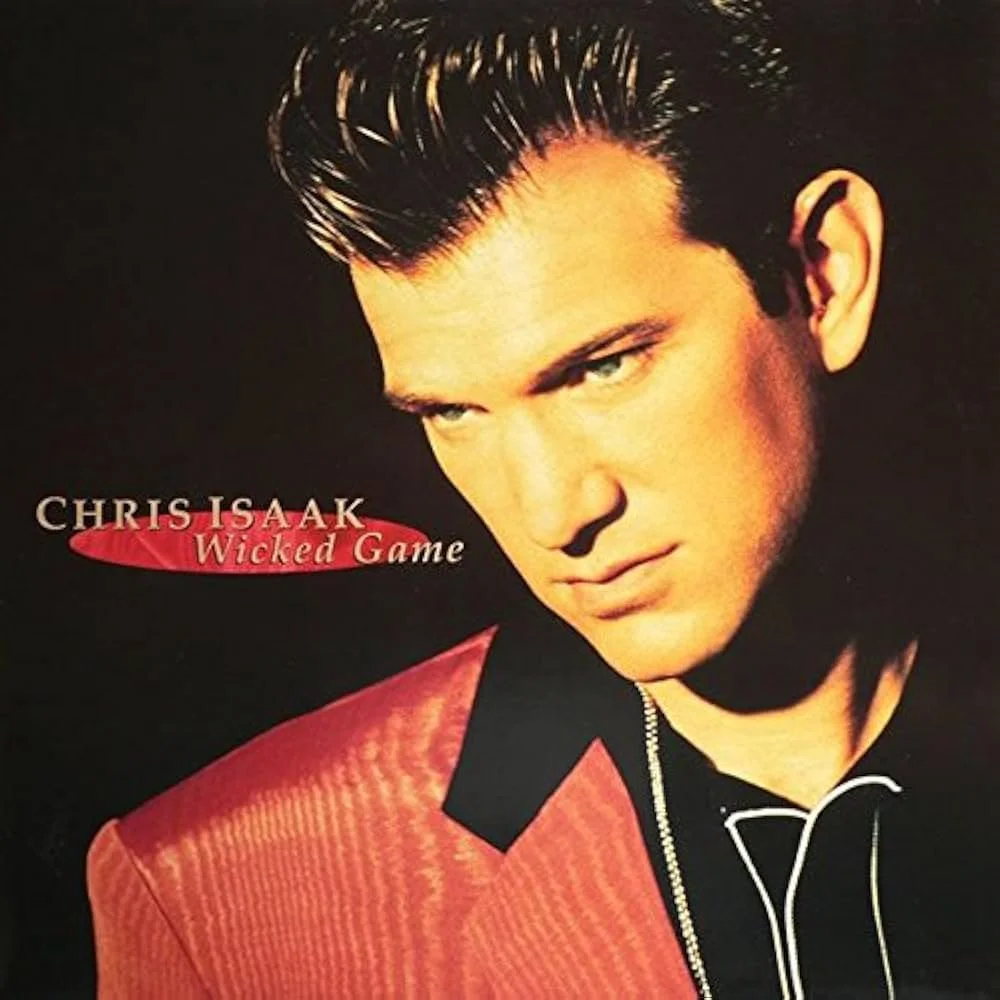
My all-time favorite song!
Wicked Games is the fifth song on Chris Isaac’s third studio album, 1989’s Heart Shaped World. The track was written by Isaac himself in a matter of minutes and explores the intoxicating temptation of a relationship you know is bad for you. Apparently, Chris Isaac came up with the idea for the song after agreeing to see a woman he knew was bad for him, but saying yes, because of his attraction to her. The song itself is known for its brooding guitar riff and sensual tone, as well as Chris Isaac’s falsetto vocals. The song gained attention after being featured in David Lynch’s 1990 film, Wild at Heart, which led to its famous music video, featuring a topless Helena Christensen running in the surf with a shirtless Chris Isaac.
Why this song is important to me…
As I mentioned in this week’s episode, this song is arguably my all-time favorite song… ever. I first heard this song at an outdoor food court at a sunny San Diego mall in 2012 while on a family vacation. I Shazamed the song, bought it on iTunes, and have been listening to it ever since. Just on my laptop alone, the song has been played 458 times, not even counting the hundreds of times I’ve played the song on my phone over the years. The song has always been a muse for me whenever I need to write something angsty or heartbreaking from a relationship perspective. Over the years, the song has directly and indirectly inspired dozens of story ideas or scenes that I’ve used in my writing. I love the song’s extremely unique tone, and it’s subject matter. It’s not often that we get a ballad like Wicked Game.
A Comet Appears…
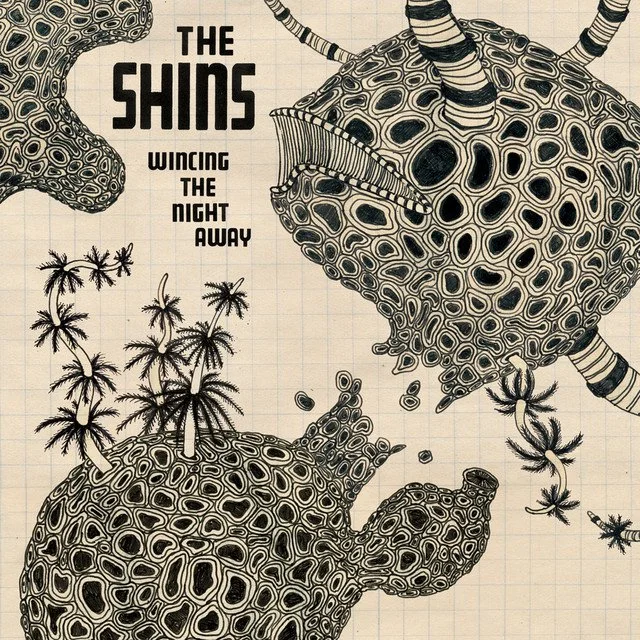
One of my all-time favorite songs.
A Comet Appears is the closing track on the Shins’ third studio album, Wincing the Night Away, from 2007. The track itself was written by James Mercer and explores residual guilt, emotional desperation, and destructive relationships. Mercer wrote the song while exploring his own “catholic guilt“ and the feeling of trapping people in impossible situations. The song is known for its melancholic tone and delicate sound. The album itself won a grammy for Best Alternative Music Album.
Why this song is important to me…
This song features in the closing moments of the pilot episode of the TV show “Chuck.” The show ran from 2007 to 2012 and was integral in shaping who I am as a person. Back in those days, I saw a lot of myself in Chuck Bartowski, the main character of the show. The song itself has been a favorite of mine for almost seventeen years. It was actually the canceling of the show that got me into writing, where I wrote Chuck fanfiction. So, in a way, without this show and this song, I never would have embarked on this literary journey that I’m on now.